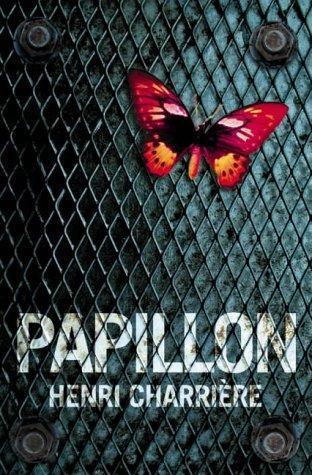
Henri Charrière, called “Papillon,” for the butterfly tattoo on his chest, was convicted in Paris in 1931 of a murder he did not commit. Sentenced to life imprisonment in the penal colony of French Guiana, he became obsessed with one goal: escape. After planning and executing a series of treacherous yet failed attempts over many years, he was eventually sent to the
notorious prison, Devil’s Island, a place from which no one had ever escaped . . . until Papillon. His flight to freedom remains one of the most incredible feats of human cunning, will, and endurance ever undertaken.
Charrière’s astonishing autobiography, Papillon, was published in France to instant acclaim in 1968, more than twenty years after his final escape. Since then, it has become a treasured classic — the gripping, shocking, ultimately uplifting odyssey of an innocent man who simply would not be defeated.
“Freedom became Papillon’s only reason to survive.”
“Devil’s Island was designed to crush every human instinct for hope.”
“Papillon refused to let injustice define the rest of his life.”
“His story proves endurance can outlast cruelty.”
Papillon
Nonfiction Reader
0:00
0:00
Show Podcast Text
Today, we’re diving into one of the most unforgettable survival stories ever written: Papillon by Henri Charrière. Part memoir, part adventure epic, this book takes readers deep into the brutal French penal system of the 1930s and follows one man’s relentless pursuit of freedom.
Henri Charrière, nicknamed Papillon because of the butterfly tattoo on his chest, was convicted of murder in Paris, a crime he insisted he never committed. Sentenced to life imprisonment in French Guiana, he entered a world filled with violence, disease, isolation, and despair. But surrender was never an option.
What makes this story so gripping is not just the danger, but Papillon’s refusal to break. Again and again, he escapes, gets captured, survives solitary confinement, and risks death crossing oceans on fragile rafts and even sacks of coconuts. Freedom became Papillon’s only reason to survive.
The book paints a terrifying picture of prison life on Devil’s Island, where prisoners were treated as disposable and hope was considered dangerous. Devil’s Island was designed to crush every human instinct for hope. Yet Papillon constantly found allies among prisoners, villagers, and even guards who admired his determination.
Readers have praised the book for its suspense, emotional intensity, and raw humanity. Some question how much is fully true, but most agree that the emotional core feels real. Papillon refused to let injustice define the rest of his life.
At its heart, this is a story about resilience. His story proves endurance can outlast cruelty. Whether memoir or legend, Papillon remains an inspiring testament to the unstoppable desire for freedom.