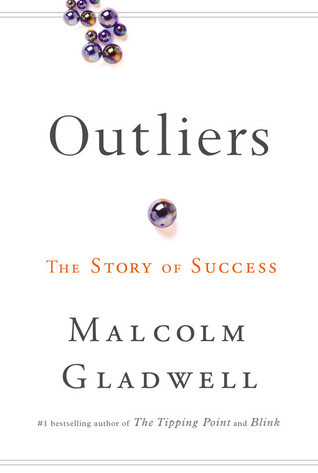
In this stunning book, Malcolm Gladwell takes us on an intellectual journey through the world of “outliers”—the best and the brightest, the most famous and the most successful. He asks the question: what makes high-achievers different? His answer is that we pay too much attention to what successful people are like, and too little attention to where they are from:
that is, their culture, their family, their generation, and the idiosyncratic experiences of their upbringing. Along the way he explains the secrets of software billionaires, what it takes to be a great soccer player, why Asians are good at math, and what made the Beatles the greatest rock band.
“Opportunity and effort often matter more than raw talent.”
“Success grows where preparation meets timing and culture.”
“Ten thousand hours can transform potential into mastery.”
“Outliers are shaped by communities as much as ambition.”
Outliers
Nonfiction Reader
0:00
0:00
Show Podcast Text
Today, we’re diving into Outliers by Malcolm Gladwell, a fascinating exploration of what really separates high achievers from everyone else.
At first glance, success often looks like individual genius. We picture brilliant entrepreneurs, legendary musicians, or elite athletes as naturally gifted people destined for greatness. But Gladwell argues something very different. According to Outliers, extraordinary success is rarely created in isolation. It grows from a mixture of timing, opportunity, culture, upbringing, and relentless practice.
One of the book’s most famous ideas is the “10,000-hour rule,” the theory that mastery requires enormous amounts of focused practice. Gladwell points to figures like Bill Gates and The Beatles, suggesting their greatness was not simply talent, but access to unique opportunities that allowed them to develop skills earlier and longer than others.
What makes the book compelling is how it challenges the myth of the self-made success story. Gladwell explores how birth dates influenced hockey careers, how cultural communication styles affected airline safety, and how educational opportunities shaped future innovators. The message is clear: success grows where preparation meets timing and culture.
Readers have reacted strongly to the book over the years. Many praise it for making them rethink intelligence, achievement, and privilege. Others criticize Gladwell for oversimplifying complicated issues and stretching conclusions too far. Yet even critics often admit the book sparks meaningful conversations about inequality and hidden advantages.
Perhaps the most important takeaway from Outliers is humility. Behind every extraordinary achievement is usually a network of support, opportunity, and circumstance invisible to outsiders.
Outliers reminds us that success is never just about individual brilliance. It’s about the environments that nurture potential, the chances people receive, and the effort they invest once those opportunities appear.