“It is the work of our greatest financial journalist, at the top of his game. And it’s essential reading.”—Graydon Carter, Vanity FairThe real story of the crash began in bizarre feeder markets where the sun doesn’t shine and the SEC doesn’t dare, or bother, to tread: the bond and real estate derivative markets where geeks invent impenetrable securities
to profit from the misery of lower- and middle-class Americans who can’t pay their debts. The smart people who understood what was or might be happening were paralyzed by hope and fear; in any case, they weren’t talking.
Michael Lewis creates a fresh, character-driven narrative brimming with indignation and dark humor, a fitting sequel to his #1 bestseller Liar’s Poker. Out of a handful of unlikely-really unlikely-heroes, Lewis fashions a story as compelling and unusual as any of his earlier bestsellers, proving yet again that he is the finest and funniest chronicler of our time.
“Wall Street sold risk like it was a guaranteed dream.”
“Greed turned complicated mortgages into a global time bomb.”
“The outsiders saw disaster while the insiders chased bigger bonuses.”
“The crash revealed a system built on denial and dangerous optimism.”
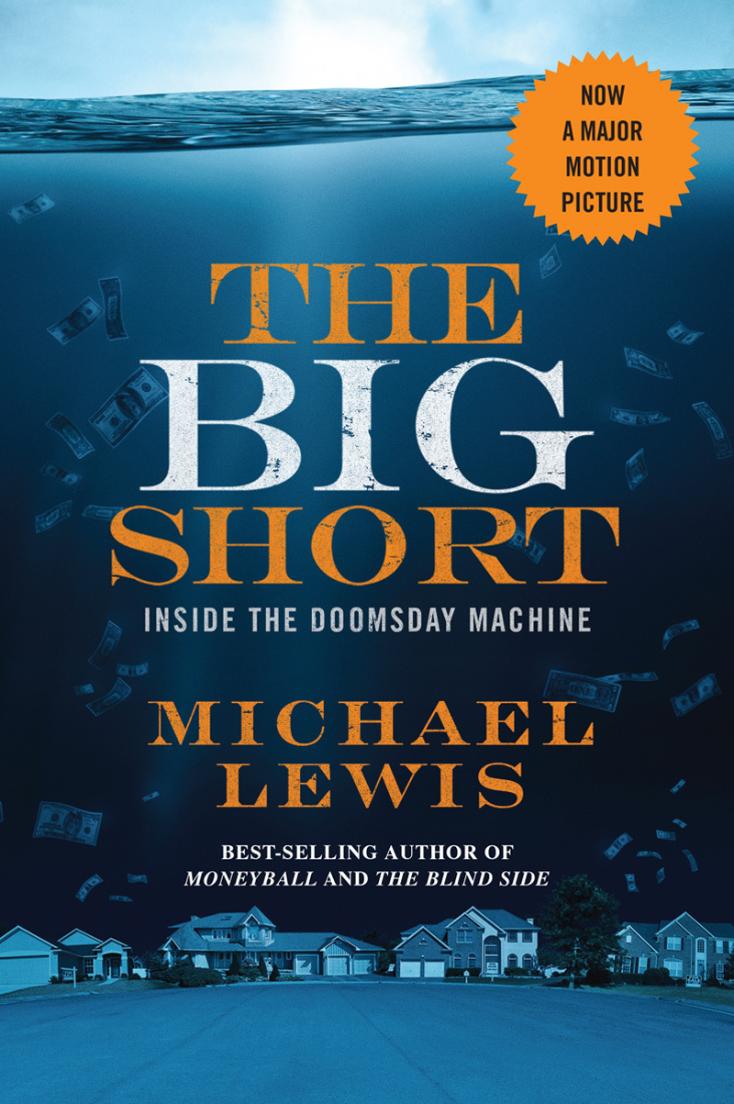
The Big Short
Nonfiction Reader
0:00
0:00
Show Podcast Text
Today we’re diving into The Big Short by Michael Lewis, a gripping exploration of the 2008 financial collapse and the few outsiders who predicted it before the world economy came crashing down. Michael Lewis transforms a complicated economic disaster into a fast-moving story packed with eccentric personalities, shocking decisions, and staggering greed.
At the center of the book are investors, analysts, and hedge fund managers who noticed something deeply wrong with the housing market. Banks were handing out risky mortgages to people who could never realistically repay them. Those loans were bundled into complex financial products and sold as safe investments. Wall Street sold risk like it was a guaranteed dream.
Lewis follows unlikely figures like Michael Burry and Steve Eisman, men who questioned the system while everyone else celebrated endless profits. The outsiders saw disaster while the insiders chased bigger bonuses. What makes the story fascinating is that these investors didn’t just predict the collapse; they bet against the entire housing market and made fortunes when it failed.
The book also exposes the dangerous culture inside major financial institutions. Mortgage brokers pushed loans they barely understood, ratings agencies stamped failing investments with top grades, and executives ignored warning signs because profits were simply too enormous to resist. Greed turned complicated mortgages into a global time bomb.
Yet The Big Short is more than an economic history lesson. Lewis injects dark humor and sharp storytelling into every chapter, making intimidating financial jargon surprisingly accessible. The crash revealed a system built on denial and dangerous optimism.
If you want to understand how ambition, ignorance, and unchecked greed reshaped the global economy, The Big Short remains essential reading.