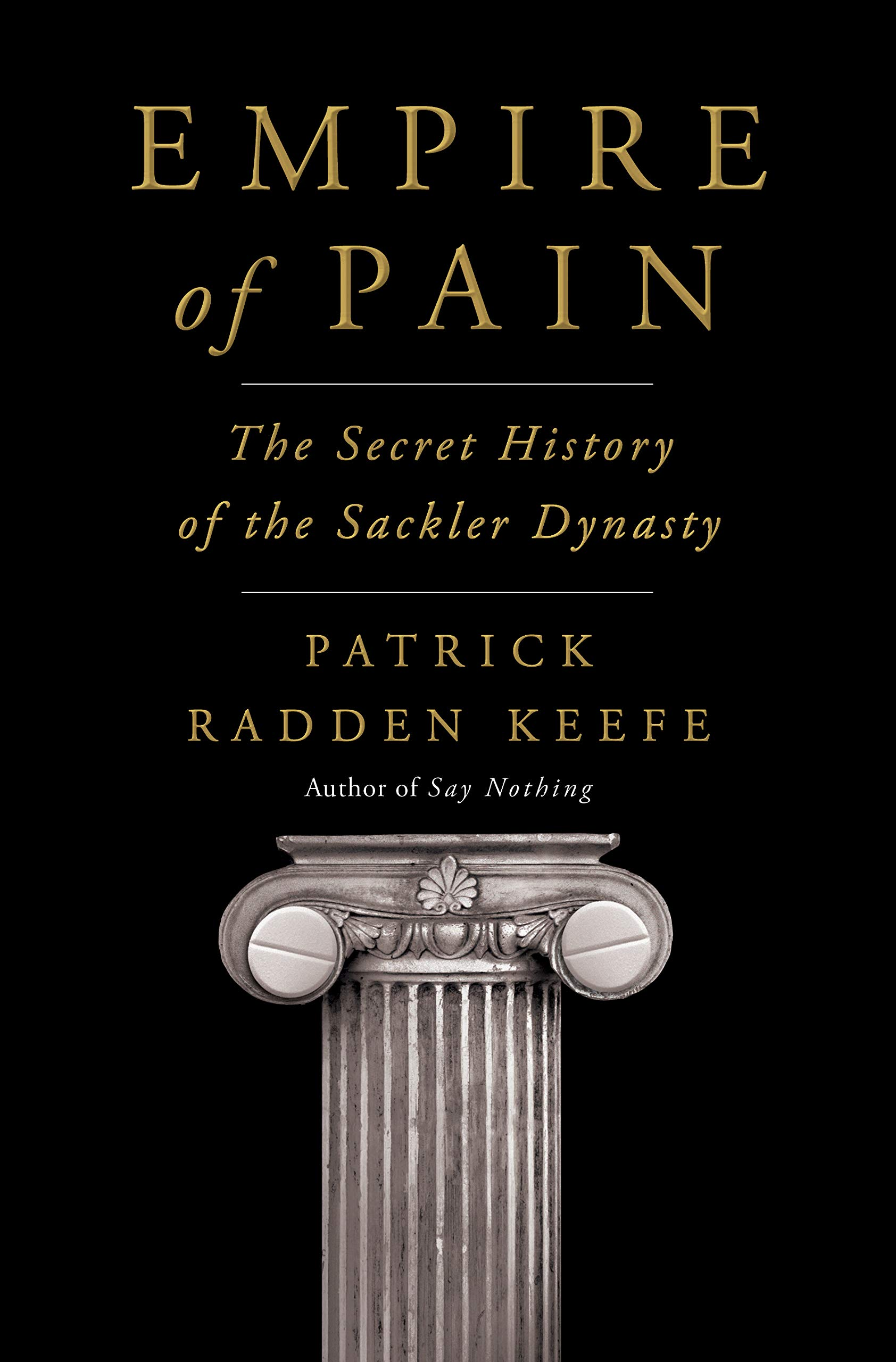
The highly anticipated portrait of three generations of the Sackler family, by the prize-winning, bestselling author of Say Nothing .The Sackler name adorns the walls of many storied Harvard, the Metropolitan Museum of Art, Oxford, the Louvre. They are one of the richest families in the world, known for their lavish donations to the arts and sciences. The source
of the family fortune was vague, however, until it emerged that the Sacklers were responsible for making and marketing OxyContin, a blockbuster painkiller that was a catalyst for the opioid crisis.Empire of Pain is a masterpiece of narrative reporting and writing, exhaustively documented and ferociously compelling.
“Empire of Pain exposes how greed reshaped medicine and devastated countless lives.”
“The Sackler name became synonymous with philanthropy, wealth, addiction, and death.”
“OxyContin was marketed as relief while addiction spread silently across America.”
“This book reveals the human cost hidden behind corporate success.”
Empire of Pain
Nonfiction Reader
0:00
0:00
Show Podcast Text
Today we’re discussing Empire of Pain by Patrick Radden Keefe, a devastating investigation into the Purdue Pharma empire and the family behind one of the most destructive public health crises in modern history: the opioid epidemic.
At the center of the story is the Sackler family, a dynasty famous for enormous charitable donations to museums, universities, and cultural institutions around the world. Their name appeared on galleries at Harvard University, the Metropolitan Museum of Art, and the Louvre Museum. For decades, they cultivated an image of prestige and generosity. But behind that public reputation was the fortune generated by OxyContin.
Keefe traces the family’s rise across three generations, showing how aggressive pharmaceutical marketing evolved into a business strategy built around denial, secrecy, and extraordinary profit. Purdue Pharma promoted OxyContin as a revolutionary painkiller while minimizing the risks of addiction, even as evidence of widespread dependency and overdose deaths mounted.
Readers consistently describe Empire of Pain as both riveting and enraging. Many praise Keefe’s reporting for transforming a complex corporate history into a gripping human drama. The book reveals not only the role of the Sacklers, but also the systems that enabled them: regulators, consultants, sales representatives, doctors, and institutions willing to look away.
Some reviewers note that the book focuses more on power and corporate maneuvering than on the everyday victims of addiction. Yet that distance may actually deepen the horror. Empire of Pain ultimately becomes a portrait of how wealth, influence, and unchecked ambition can reshape public health while shielding those responsible from meaningful accountability.