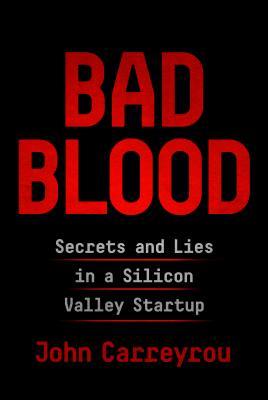
The full inside story of the breathtaking rise and shocking collapse of a multibillion-dollar startup, by the prize-winning journalist who first broke the story and pursued it to the end in the face of pressure and threats from the CEO and her lawyers. In 2014, Theranos founder and CEO Elizabeth Holmes was widely seen as the female Steve Jobs: a brilliant
Stanford dropout whose startup “unicorn” promised to revolutionize the medical industry with a machine that would make blood tests significantly faster and easier. Backed by investors such as Larry Ellison and Tim Draper, Theranos sold shares in a fundraising round that valued the company at $9 billion, putting Holmes’s worth at an estimated $4.7 billion. There was just one problem: The technology didn’t work.
For years, Holmes had been misleading investors, FDA officials, and her own employees. When Carreyrou, working at The Wall Street Journal, got a tip from a former Theranos employee and started asking questions, both Carreyrou and the Journal were threatened with lawsuits. Undaunted, the newspaper ran the first of dozens of Theranos articles in late 2015. By early 2017, the company’s value was zero and Holmes faced potential legal action from the government and her investors.
Here is the riveting story of the biggest corporate fraud since Enron, a disturbing cautionary tale set amid the bold promises and gold-rush frenzy of Silicon Valley.
“Theranos sold a revolution, but delivered deception wrapped in Silicon Valley mythology.”
“Charisma replaced evidence while patients unknowingly paid the price.”
“Bad Blood reveals how ambition can become dangerous when accountability disappears.”
“Facts eventually destroyed the fantasy Elizabeth Holmes carefully constructed.”
Bad Blood
Nonfiction Reader
0:00
0:00
Show Podcast Text
Today we’re examining Bad Blood by John Carreyrou, the explosive true story behind the rise and collapse of Theranos and its founder, Elizabeth Holmes.
At first glance, Holmes looked unstoppable. A Stanford dropout dressed in black turtlenecks, she was compared endlessly to Steve Jobs. Investors, politicians, military leaders, and major corporations believed her company would revolutionize healthcare with a machine capable of running hundreds of blood tests from a single finger prick. Theranos sold a revolution, but delivered deception wrapped in Silicon Valley mythology.
What makes Bad Blood so gripping is how impossible the story feels. According to Carreyrou’s reporting, the technology barely functioned, employees were intimidated into silence, and fake demonstrations convinced investors to pour hundreds of millions into the company. Charisma replaced evidence while patients unknowingly paid the price.
Reviewers repeatedly describe the book as unbelievable, shocking, and impossible to put down. Many readers were stunned not only by Holmes’ behavior, but by how many influential people ignored obvious warning signs. Former statesmen, billionaires, and respected executives defended Theranos despite mounting evidence the science simply did not work.
The book also exposes a darker side of startup culture. In Silicon Valley, confidence is often rewarded more than honesty. Holmes cultivated secrecy, demanded loyalty, and treated skepticism like betrayal. Bad Blood reveals how ambition can become dangerous when accountability disappears.
At its heart, this is more than a corporate scandal. It’s a cautionary tale about power, image, and the consequences of believing hype over facts. Facts eventually destroyed the fantasy Elizabeth Holmes carefully constructed.
Bad Blood is investigative journalism at its absolute best: tense, disturbing, and painfully relevant in today’s technology-driven world.