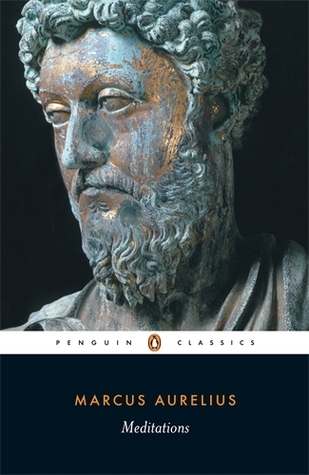
Marcus Aurelius, Martin Hammond, Albert Wittstock, عادل مصطفى, Simone Mooij-Valk, Diskin Clay
Written in Greek by the only Roman emperor who was also a philosopher, without any intention of publication, the Meditations of Marcus Aurelius offer a remarkable series of challenging spiritual reflections and exercises developed as the emperor struggled to understand himself and make sense of the universe. While the Meditations were composed to provide personal
consolation and encouragement, Marcus Aurelius also created one of the greatest of all works of philosophy: a timeless collection that has been consulted and admired by statesmen, thinkers and readers throughout the centuries.
“Marcus Aurelius turned private struggle into timeless wisdom.”
“Peace begins when we master our own thoughts.”
“The emperor reminded himself to live with humility and purpose.”
“Meditations teaches strength through discipline, acceptance, and self-control.”
Meditations
Nonfiction Reader
0:00
0:00
Show Podcast Text
Today we’re exploring Meditations by Marcus Aurelius, one of the most influential philosophical works ever written. Created nearly two thousand years ago by a Roman emperor facing war, political pressure, illness, and mortality, this book was never intended for publication. Instead, it was Marcus Aurelius speaking privately to himself, recording reflections meant to strengthen his character and steady his mind.
What makes Meditations so remarkable is its honesty. Marcus wasn’t writing polished philosophy for an audience. He was reminding himself, over and over again, how to remain calm, disciplined, and virtuous in a chaotic world. Readers often describe the book as a conversation between a man and his conscience. At times, it feels like Marcus is simply telling himself, “Get it together.”
The core of the book comes from Stoicism, the philosophy that teaches us to focus only on what we can control. Marcus constantly returns to ideas about self-discipline, humility, accepting death, and resisting anger or vanity. He reminds himself that life is short, fame is temporary, and peace comes from mastering our reactions rather than trying to control the world around us.
What fascinates many readers is the contrast between Marcus’s immense power and his humility. Here was the ruler of the Roman Empire, yet instead of celebrating conquest or glory, he wrote about patience, kindness, and inner restraint. His reflections feel deeply human because he struggles with the same fears and frustrations people still experience today.
Some readers find the repetition meditative and grounding, while others see it as evidence of Marcus wrestling daily with doubt and uncertainty. Either way, Meditations continues to resonate because it speaks directly to the challenge of living thoughtfully in an unpredictable world.
More than philosophy, this book is a guide to resilience, perspective, and finding calm within yourself.