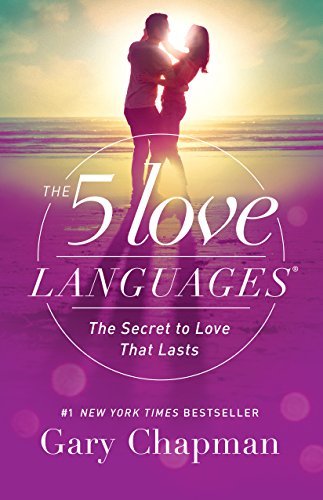
Falling in love is easy. Staying in love—that’s the challenge. How can you keep your relationship fresh and growing amid the demands, conflicts, and just plain boredom of everyday life? In the #1 New York Times international bestseller The 5 Love Languages®, you’ll discover the secret that has transformed millions of relationships worldwide. Whether your relationship
is flourishing or failing, Dr. Gary Chapman’s proven approach to showing and receiving love will help you experience deeper and richer levels of intimacy with your partner—starting today.
The 5 Love Languages® is as practical as it is insightful. Updated to reflect the complexities of relationships today, this new edition reveals intrinsic truths and applies relevant, actionable wisdom in ways that work.
Includes the Love Language assessment so you can discover your love language and that of your loved one.
“Love often fails when people express care in completely different ways.”
“Understanding your partner matters more than grand romantic gestures.”
“The book argues that affection must be communicated in ways people truly understand.”
“Simple relationship habits can transform emotional connection over time.”
The 5 Love Languages
Nonfiction Reader
0:00
0:00
Show Podcast Text
Today we’re discussing The 5 Love Languages by Gary Chapman, one of the most widely read relationship books of the last few decades. The book explores a simple but powerful idea: people give and receive love in different ways, and misunderstanding those differences can create emotional distance in relationships.
Chapman identifies five primary “love languages”: words of affirmation, acts of service, receiving gifts, quality time, and physical touch. According to the book, each person tends to value one or two of these expressions more deeply than the others. Love often fails when people express care in completely different ways.
One reason the book became so popular is its accessibility. Readers often say the concept immediately helps them recognize patterns in their relationships. Understanding your partner matters more than grand romantic gestures. Someone may show love by helping with chores, while another feels most valued through verbal encouragement or uninterrupted time together.
The book argues that affection must be communicated in ways people truly understand. Chapman believes many couples struggle not because love is absent, but because partners are speaking different emotional languages without realizing it.
At the same time, the book has also received criticism. Some readers feel its advice oversimplifies complex relationships or relies too heavily on traditional Christian and heterosexual perspectives. Others object to certain counseling examples involving unhealthy marriages, arguing the guidance can feel outdated or unbalanced.
Still, many readers credit the book with improving communication and helping them become more intentional partners. Simple relationship habits can transform emotional connection over time. Whether readers fully embrace Chapman’s philosophy or not, the core message remains influential: relationships grow stronger when people learn how their loved ones feel valued, heard, and appreciated.