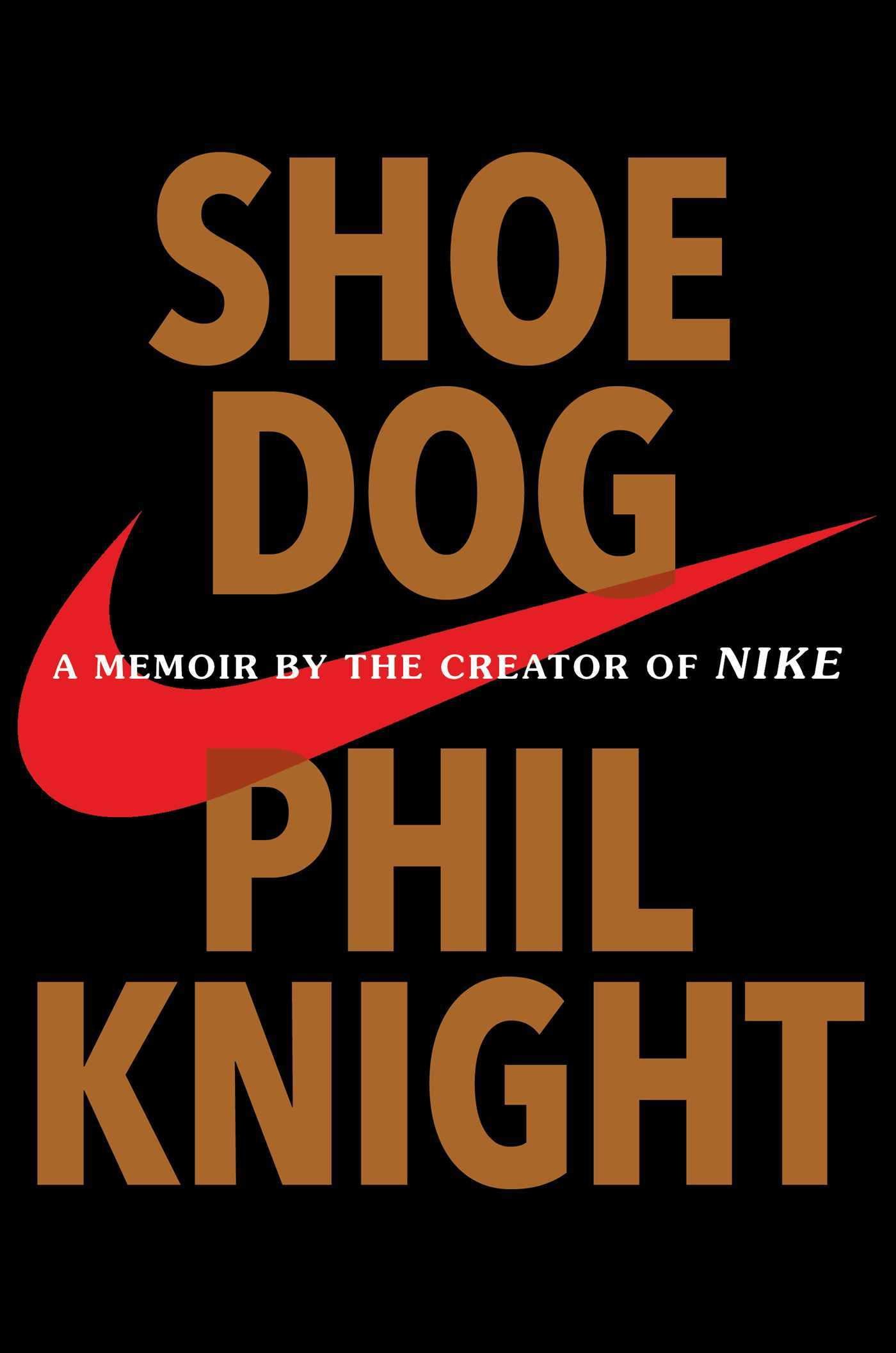
In this candid and riveting memoir, for the first time ever, Nike founder and CEO Phil Knight shares the inside story of the company’s early days as an intrepid start-up and its evolution into one of the world’s most iconic, game-changing, and profitable brands. In 1962, fresh out of business school, Phil Knight borrowed $50 from his father and created a company
with a simple mission: import high-quality, low-cost athletic shoes from Japan. Selling the shoes from the trunk of his lime green Plymouth Valiant, Knight grossed $8,000 his first year. Today, Nike’s annual sales top $30 billion. In an age of startups, Nike is the ne plus ultra of all startups, and the swoosh has become a revolutionary, globe-spanning icon, one of the most ubiquitous and recognizable symbols in the world today.
But Knight, the man behind the swoosh, has always remained a mystery. Now, for the first time, in a memoir that is candid, humble, gutsy, and wry, he tells his story, beginning with his crossroads moment. At 24, after backpacking around the world, he decided to take the unconventional path, to start his own business—a business that would be dynamic, different.
Knight details the many risks and daunting setbacks that stood between him and his dream—along with his early triumphs. Above all, he recalls the formative relationships with his first partners and employees, a ragtag group of misfits and seekers who became a tight-knit band of brothers. Together, harnessing the transcendent power of a shared mission, and a deep belief in the spirit of sport, they built a brand that changed everything.
“Great brands begin with impossible ideas and relentless persistence.”
“Success rarely looks glamorous while you’re building it.”
“Phil Knight turned setbacks into fuel for innovation.”
“The swoosh became a symbol of courage, not just commerce.”
Shoe Dog
Nonfiction Reader
0:00
0:00
Show Podcast Text
Today, we’re diving into Shoe Dog, the remarkable memoir by Nike founder Phil Knight. This isn’t just a business story about sneakers and billion-dollar branding. It’s a deeply personal account of risk, obsession, uncertainty, and the relentless pursuit of a dream that almost collapsed countless times before changing sports culture forever.
In 1962, Knight borrowed fifty dollars from his father with a simple idea: import affordable, high-quality running shoes from Japan. Selling shoes from the trunk of his car, he began building what would eventually become Nike. But Shoe Dog reveals that success was never smooth or guaranteed. Knight takes readers through sleepless nights, crushing debt, lawsuits, tense negotiations, and constant fear of bankruptcy.
What makes this memoir stand out is its honesty. Knight doesn’t present himself as a flawless visionary. Instead, he appears introverted, uncertain, and often overwhelmed. Yet his determination never disappears. Alongside legendary coach Bill Bowerman and an unconventional team of dreamers and outsiders, Knight slowly transforms Blue Ribbon Sports into Nike, one painful step at a time.
The book also explores the emotional side of entrepreneurship. Knight reflects on friendship, loyalty, sacrifice, and the personal cost of ambition. Readers see how deeply he valued the athletes who believed in the company, especially running icon Steve Prefontaine, whose influence shaped Nike’s identity and spirit.
Critics of the book argue that Knight sometimes overlooks privilege and difficult labor issues tied to Nike’s later global growth. Still, many readers admire the memoir’s raw transparency and powerful storytelling.
At its heart, Shoe Dog is about believing in an idea before anyone else does. It reminds us that behind every iconic company lies chaos, doubt, persistence, and people willing to risk everything for a vision.