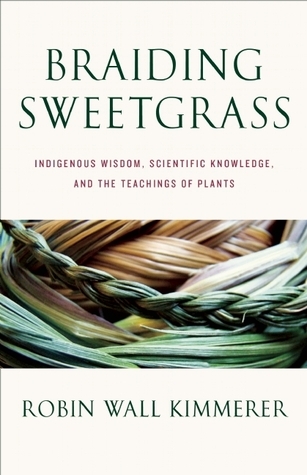
As a botanist, Robin Wall Kimmerer has been trained to ask questions of nature with the tools of science. As a member of the Citizen Potawatomi Nation, she embraces the notion that plants and animals are our oldest teachers. In Braiding Sweetgrass, Kimmerer brings these lenses of knowledge together to show that the awakening of a wider ecological consciousness requires
the acknowledgment and celebration of our reciprocal relationship with the rest of the living world. For only when we can hear the languages of other beings are we capable of understanding the generosity of the earth, and learning to give our own gifts in return.
“Science and tradition become partners instead of rivals.”
“The earth offers gifts, but gratitude must answer back.”
“Plants become teachers when people finally learn how to listen.”
“Restoring the land can also restore human identity.”
Braiding Sweetgrass
Nonfiction Reader
0:00
0:00
Show Podcast Text
Today, we’re exploring Braiding Sweetgrass by Robin Wall Kimmerer, a remarkable blend of science, storytelling, ecology, and Indigenous wisdom. Kimmerer is both a botanist and a member of the Citizen Potawatomi Nation, and this dual perspective shapes every page of the book. She invites readers to see nature not as property or scenery, but as a living community filled with teachers, relatives, and responsibilities.
One of the most powerful ideas in Braiding Sweetgrass is reciprocity. Kimmerer argues that the earth continuously gives to humanity through food, medicine, beauty, and shelter, yet modern society rarely pauses to give something meaningful in return. Through stories about sweetgrass, forests, lakes, and gardens, she challenges listeners to rethink their relationship with the natural world.
The book also examines the tension between Western science and Indigenous knowledge. Rather than placing them in opposition, Kimmerer shows how both perspectives can deepen our understanding of life. Science and tradition become partners instead of rivals. Her writing moves effortlessly between biology lessons, personal memories, and reflections on cultural survival.
Readers often describe this book as transformative because it encourages mindfulness and gratitude. Plants become teachers when people finally learn how to listen. Even simple acts, like harvesting responsibly or tending a garden, become expressions of respect and connection.
At the same time, some readers found the book repetitive, feeling its themes could have been delivered more concisely. Still, many agree the beauty of Kimmerer’s prose and the emotional depth of her stories leave a lasting impression.
Braiding Sweetgrass ultimately reminds us that restoring the land can also restore human identity, community, and purpose.