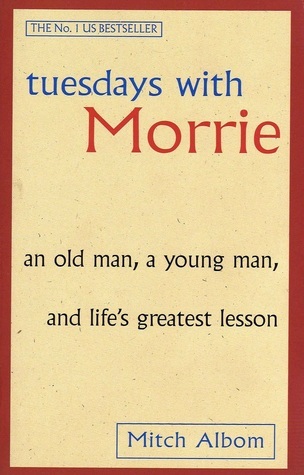
Maybe it was a grandparent, or a teacher or a colleague. Someone older, patient and wise, who understood you when you were young and searching, and gave you sound advice to help you make your way through it. For Mitch Albom, that person was Morrie Schwartz, his college professor from nearly twenty years ago. Maybe, like Mitch, you lost track of this mentor as
you made your way, and the insights faded. Wouldn’t you like to see that person again, ask the bigger questions that still haunt you?
Mitch Albom had that second chance. He rediscovered Morrie in the last months of the older man’s life. Knowing he was dying of ALS – or motor neurone disease – Mitch visited Morrie in his study every Tuesday, just as they used to back in college. Their rekindled relationship turned into one final ‘class’: lessons in how to live.
“The meaning of life is found through connection, not achievement.”
“Morrie teaches that vulnerability is a form of strength.”
“Death becomes the final lesson in how to truly live.”
Tuesdays with Morrie
Nonfiction Reader
0:00
0:00
Show Podcast Text
Today we’re discussing Tuesdays with Morrie by Mitch Albom, a deeply personal memoir about friendship, mortality, and the lessons that matter most in life.
The story follows Mitch Albom as he reconnects with his former college professor, Morrie Schwartz, after learning that Morrie is dying from ALS, also known as Lou Gehrig’s disease. What begins as a simple visit turns into a series of Tuesday conversations that become one final class on the meaning of life.
Throughout the book, Morrie speaks openly about aging, fear, love, family, forgiveness, and death. Rather than hiding from his illness, he chooses to share his experience honestly, believing that even dying can teach people how to live more fully. Morrie teaches that vulnerability is a form of strength. His calm acceptance of mortality gives the book an emotional power that resonates long after the final page.
One of the reasons this memoir has connected with millions of readers is its simplicity. The writing is direct, conversational, and filled with reflections that encourage readers to pause and examine their own priorities. Some critics argue the book can feel sentimental or overly idealistic, but many readers find comfort in its sincerity and emotional honesty.
At its heart, Tuesdays with Morrie reminds us that success and material possessions mean little without meaningful relationships. The meaning of life is found through connection, not achievement. Morrie repeatedly emphasizes compassion, community, and emotional openness as the foundations of a fulfilling life.
As Morrie’s health declines, the conversations become even more powerful. Death becomes the final lesson in how to truly live. And perhaps the book’s most enduring message is also its simplest: Love wins. Love always wins.