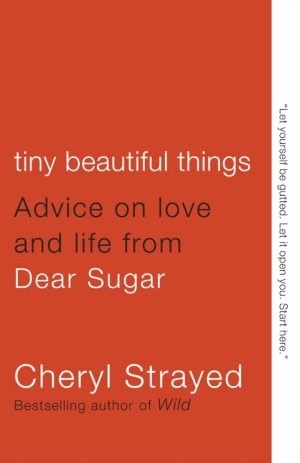
Life can be hard: your lover cheats on you; you lose a family member; you can’t pay the bills – and it can be great: you’ve had the hottest sex of your life; you get that plum job; you muster the courage to write your novel. Sugar – the once-anonymous online columnist at The Rumpus, now revealed as Cheryl Strayed, author of the bestselling memoir Wild – is the person
Tiny Beautiful Things brings the best of Dear Sugar in one place and includes never-before-published columns and a new introduction by Steve Almond. Rich with humor, insight, compassion – and absolute honesty – this book is a balm for everything life throws our way.
“Cheryl Strayed turns heartbreak into compassion without pretending life is easy.”
“Tiny Beautiful Things reminds us vulnerability can become a form of strength.”
“Sometimes advice matters less than feeling deeply understood.”
“Healing often begins when honesty replaces shame.”
Tiny Beautiful Things
Nonfiction Reader
0:00
0:00
Show Podcast Text
Today we’re exploring Tiny Beautiful Things by Cheryl Strayed, a collection of advice columns that became something far bigger than simple life guidance.
Originally written anonymously under the name “Dear Sugar” for the online magazine The Rumpus, these essays tackle grief, addiction, heartbreak, loneliness, infidelity, creativity, family wounds, and the impossible messiness of being human. Readers wrote to Sugar searching for answers, but what made the column unforgettable was that Strayed rarely responded with tidy solutions.
Instead, she offered stories. Raw stories. Personal stories. Stories about losing her mother, struggling through poverty, surviving destructive relationships, and trying to rebuild herself after devastating loss. For many readers, this honesty felt transformative. They describe the book as compassionate, fearless, and emotionally overwhelming in the best possible way.
One recurring theme throughout the collection is that life rarely becomes easier overnight. Strayed doesn’t promise perfect healing or instant happiness. What she offers instead is empathy paired with accountability. She urges readers to speak difficult truths, create boundaries, forgive themselves, and continue moving forward even when certainty feels impossible.
At the same time, some critics argue the book can become overly focused on Strayed herself. They feel the advice columns sometimes drift into memoir, with long personal detours replacing practical guidance. Others question whether resilience is always a matter of choice, especially for people facing trauma, depression, or circumstances beyond their control.
Still, Tiny Beautiful Things continues to resonate because it refuses to be polished or distant. It speaks directly to pain with tenderness and candor. More than an advice book, it feels like a conversation with someone who has suffered deeply and still believes life, despite everything, remains worth loving.