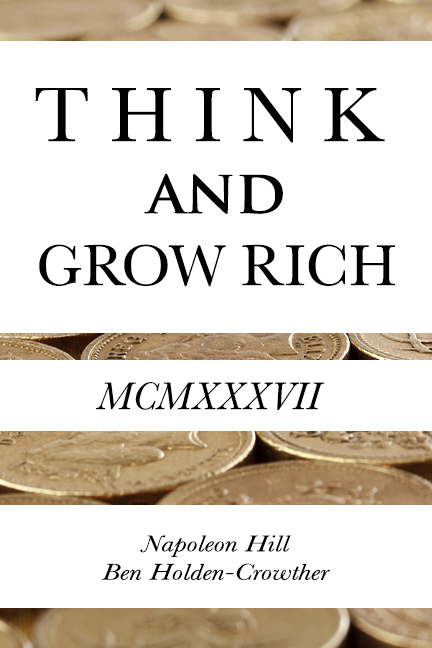
Think and Grow Rich is a guide to success by Napoleon Hill, which was first published in 1937 following the Great Depression. It was immediately welcomed as an antidote to hard times and remained a bestseller for decades. Many people still find its philosophy of positive thinking and its specific steps for achieving wealth both relevant and life-changing. Hill contends
that our thoughts become our reality, and offers a plan and principles for transforming thoughts into riches, including visualization, affirmation, creating a Master Mind group, defining a goal, and planning.
“Desire means nothing without action and persistence.”
“Hill believed thoughts could shape the direction of a person’s life.”
“Success begins when purpose becomes stronger than fear.”
“Critics argue the book oversimplifies wealth and opportunity.”
Think and Grow Rich
Nonfiction Reader
0:00
0:00
Show Podcast Text
Today we’re exploring one of the most influential and controversial self-help books ever written: Think and Grow Rich. First published during the Great Depression, this classic by Napoleon Hill promised readers something powerful: the idea that success begins in the mind.
At the center of the book is Hill’s belief that thoughts shape reality. He argues that wealth, achievement, and opportunity begin with a clear purpose and a burning desire to succeed. But according to Hill, desire alone is never enough. Desire means nothing without action and persistence. Throughout the book, he outlines principles like visualization, faith, goal-setting, autosuggestion, and the famous “Master Mind” concept, where ambitious people work together toward shared success.
For many readers, the book remains inspiring because of its intense optimism and motivational energy. Hill believed thoughts could shape the direction of a person’s life. His message encourages listeners to think boldly, act decisively, and refuse to quit when challenges appear.
At the same time, the book has drawn strong criticism over the decades. Some readers feel its philosophy ignores economic inequality, luck, privilege, and social barriers. Critics argue the book oversimplifies wealth and opportunity. Others find some of Hill’s mystical ideas — including discussions of subconscious vibrations and “sex transmutation” — difficult to take seriously.
Still, even critics often admit the book’s core lessons about discipline, persistence, and focused ambition remain compelling. Success begins when purpose becomes stronger than fear. Whether you see Think and Grow Rich as timeless wisdom or exaggerated motivational philosophy, its influence on modern self-help culture is impossible to deny.
And nearly ninety years after publication, people are still debating its message, proving the book’s lasting impact on generations of readers.