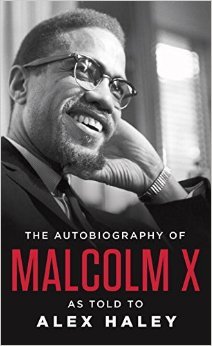
Through a life of passion and struggle, Malcolm X became one of the most influential figures of the 20th Century. In this riveting account, he tells of his journey from a prison cell to Mecca, describing his transition from hoodlum to Muslim minister. Here, the man who called himself “the angriest Black man in America” relates how his conversion to true Islam helped
him confront his rage and recognize the brotherhood of all mankind.
An established classic of modern America, “The Autobiography of Malcolm X” was hailed by the New York Times as “Extraordinary. A brilliant, painful, important book.” Still extraordinary, still important, this electrifying story has transformed Malcolm X’s life into his legacy. The strength of his words, and the power of his ideas continue to resonate more than a generation after they first appeared.
“Malcolm X transformed pain into purpose through relentless self-education.”
“Prison became the place where Malcolm X discovered the power of reading.”
“His journey to Mecca reshaped his understanding of race and humanity.”
“This autobiography remains urgent, fearless, and deeply human.”
The Autobiography of Malcolm X
Nonfiction Reader
0:00
0:00
Show Podcast Text
Today we’re exploring The Autobiography of Malcolm X, one of the most influential and challenging memoirs ever written. More than a life story, this book is a powerful reflection on race, identity, faith, anger, and transformation in America.
The autobiography traces Malcolm X’s journey from a troubled childhood marked by racism and violence to his years as a hustler in Boston and Harlem. After imprisonment, his life changes completely when he discovers education, discipline, and the teachings of the Nation of Islam. One of the book’s most unforgettable themes is the life-changing power of reading. Malcolm describes copying dictionary pages by hand and devouring books late into the night, transforming himself intellectually while behind bars.
Readers often praise the honesty of the memoir. Malcolm X does not hide his mistakes, contradictions, or evolving beliefs. That openness gives the book remarkable emotional force. Reviews repeatedly highlight how his experiences reveal the psychological damage of systemic racism and the struggle for dignity in a society built on inequality.
At the same time, many readers note the complexity of Malcolm X himself. His early views on race and gender can feel confrontational or controversial today, yet the memoir also documents his personal growth. His pilgrimage to Mecca becomes a turning point, expanding his worldview and reshaping his understanding of brotherhood and humanity.
What makes this autobiography endure is its fearless self-examination. Malcolm X refused to remain static. He challenged society, questioned institutions, and ultimately questioned himself. The result is a memoir that feels urgent decades later. Whether you agree with all his conclusions or not, this book demands reflection, conversation, and attention.