
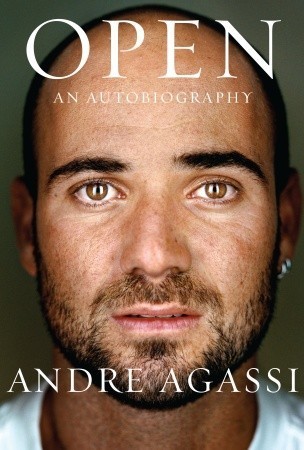
Open
Andre Agassi, J.R. Moehringer
From Andre Agassi, one of the most beloved athletes in history and one of the most gifted men ever to step onto a tennis court, a beautiful, haunting autobiography. Agassi’s incredibly rigorous training begins when he is just a child. By the age of thirteen, he is banished to a Florida tennis camp that feels like a prison camp. Lonely, scared, a ninth-grade dropout,
he rebels in ways that will soon make him a 1980s icon. He dyes his hair, pierces his ears, dresses like a punk rocker. By the time he turns pro at sixteen, his new look promises to change tennis forever, as does his lightning-fast return.
And yet, despite his raw talent, he struggles early on. We feel his confusion as he loses to the world’s best, his greater confusion as he starts to win. After stumbling in three Grand Slam finals, Agassi shocks the world, and himself, by capturing the 1992 Wimbledon. Overnight he becomes a fan favorite and a media target.
Agassi brings a near-photographic memory to every pivotal match and every relationship. Never before has the inner game of tennis and the outer game of fame been so precisely limned. Alongside vivid portraits of rivals from several generations—Jimmy Connors, Pete Sampras, Roger Federer—Agassi gives unstinting accounts of his brief time with Barbra Streisand and his doomed marriage to Brooke Shields. He reveals a shattering loss of confidence. And he recounts his spectacular resurrection, a comeback climaxing with his epic run at the 1999 French Open and his march to become the oldest man ever ranked number one.
In clear, taut prose, Agassi evokes his loyal brother, his wise coach, his gentle trainer, all the people who help him regain his balance and find love at last with Stefanie Graf. Inspired by her quiet strength, he fights through crippling pain from a deteriorating spine to remain a dangerous opponent in the twenty-first and final year of his career. Entering his last tournament in 2006, he’s hailed for completing a stunning metamorphosis, from nonconformist to elder statesman, from dropout to education advocate. And still he’s not done. At a U.S. Open for the ages, he makes a courageous last stand, then delivers one of the most stirring farewells ever heard in a sporting arena.
With its breakneck tempo and raw candor, Open will be read and cherished for years. A treat for ardent fans, it will also captivate readers who know nothing about tennis. Like Agassi’s game, it sets a new standard for grace, style, speed, and power.
And yet, despite his raw talent, he struggles early on. We feel his confusion as he loses to the world’s best, his greater confusion as he starts to win. After stumbling in three Grand Slam finals, Agassi shocks the world, and himself, by capturing the 1992 Wimbledon. Overnight he becomes a fan favorite and a media target.
Agassi brings a near-photographic memory to every pivotal match and every relationship. Never before has the inner game of tennis and the outer game of fame been so precisely limned. Alongside vivid portraits of rivals from several generations—Jimmy Connors, Pete Sampras, Roger Federer—Agassi gives unstinting accounts of his brief time with Barbra Streisand and his doomed marriage to Brooke Shields. He reveals a shattering loss of confidence. And he recounts his spectacular resurrection, a comeback climaxing with his epic run at the 1999 French Open and his march to become the oldest man ever ranked number one.
In clear, taut prose, Agassi evokes his loyal brother, his wise coach, his gentle trainer, all the people who help him regain his balance and find love at last with Stefanie Graf. Inspired by her quiet strength, he fights through crippling pain from a deteriorating spine to remain a dangerous opponent in the twenty-first and final year of his career. Entering his last tournament in 2006, he’s hailed for completing a stunning metamorphosis, from nonconformist to elder statesman, from dropout to education advocate. And still he’s not done. At a U.S. Open for the ages, he makes a courageous last stand, then delivers one of the most stirring farewells ever heard in a sporting arena.
With its breakneck tempo and raw candor, Open will be read and cherished for years. A treat for ardent fans, it will also captivate readers who know nothing about tennis. Like Agassi’s game, it sets a new standard for grace, style, speed, and power.
Categories
Published
2009
Listen to Podcast
“Greatness often hides behind pain, doubt, and relentless reinvention.”
“Agassi fought opponents, but his hardest battles were always internal.”
“Talent opened doors, but resilience kept Agassi standing.”
“Sometimes the loudest champions carry the quietest loneliness.”
Open
Nonfiction Reader
0:00
0:00
0:00
Show Podcast Text
Today we’re diving into Open, the unforgettable autobiography from tennis legend Andre Agassi. But this isn’t simply a sports memoir about trophies and championships. It’s a brutally honest story about pressure, identity, rebellion, and survival.
From childhood, Agassi’s life was shaped by a father obsessed with building a champion. Endless hours on the tennis court transformed a gifted boy into a global superstar, but they also planted the seeds of resentment. Agassi famously admits throughout the book that he hated tennis, even while becoming one of its greatest icons. That contradiction fuels every page.
The memoir takes listeners behind the bright lights of fame and into the loneliness underneath. We hear about Agassi’s struggles with confidence, his fierce rivalries with players like Pete Sampras and Boris Becker, and the emotional highs and devastating lows that came with elite competition. The matches are thrilling, but the emotional battles matter even more.
What makes Open stand apart is its honesty. Agassi speaks openly about failed relationships, public expectations, injuries, mistakes, and the exhausting search for meaning beyond winning. His marriage to Steffi Graf eventually becomes a turning point, helping him rediscover balance and purpose.
The book also reveals a softer legacy. Beyond tennis, Agassi becomes an advocate for education and vulnerable children, determined to give others opportunities he never felt he had himself.
Open is ultimately about transformation. It reminds us that success alone cannot heal unhappiness, and that true strength comes from confronting who we are when the applause finally fades.
From childhood, Agassi’s life was shaped by a father obsessed with building a champion. Endless hours on the tennis court transformed a gifted boy into a global superstar, but they also planted the seeds of resentment. Agassi famously admits throughout the book that he hated tennis, even while becoming one of its greatest icons. That contradiction fuels every page.
The memoir takes listeners behind the bright lights of fame and into the loneliness underneath. We hear about Agassi’s struggles with confidence, his fierce rivalries with players like Pete Sampras and Boris Becker, and the emotional highs and devastating lows that came with elite competition. The matches are thrilling, but the emotional battles matter even more.
What makes Open stand apart is its honesty. Agassi speaks openly about failed relationships, public expectations, injuries, mistakes, and the exhausting search for meaning beyond winning. His marriage to Steffi Graf eventually becomes a turning point, helping him rediscover balance and purpose.
The book also reveals a softer legacy. Beyond tennis, Agassi becomes an advocate for education and vulnerable children, determined to give others opportunities he never felt he had himself.
Open is ultimately about transformation. It reminds us that success alone cannot heal unhappiness, and that true strength comes from confronting who we are when the applause finally fades.
Buy on Amazon