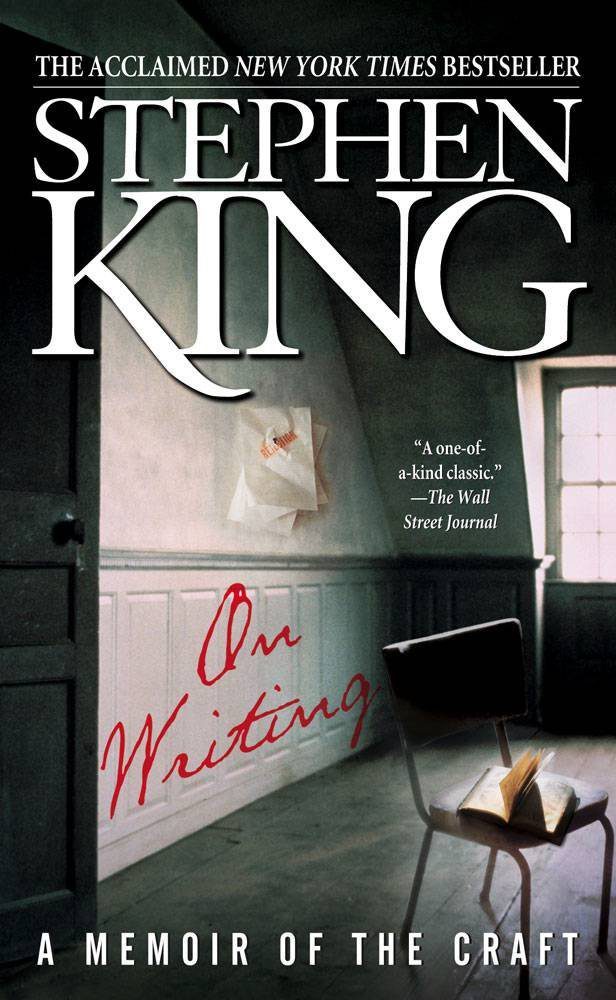
“Long live the King” hailed Entertainment Weekly upon the publication of Stephen King’s On Writing. Part memoir, part master class by one of the bestselling authors of all time, this superb volume is a revealing and practical view of the writer’s craft, comprising the basic tools of the trade every writer must have. King’s advice is grounded in his vivid memories
from childhood through his emergence as a writer, from his struggling early career to his widely reported near-fatal accident in 1999 — and how the inextricable link between writing and living spurred his recovery. Brilliantly structured, friendly and inspiring, On Writing will empower and entertain everyone who reads it — fans, writers, and anyone who loves a great story well told.
“Great writing begins with relentless reading and fearless honesty.”
“Stories survive when writers trust the messy truths of human experience.”
“Writing is less magic than discipline practiced every single day.”
“The scariest moment is always just before the first sentence.”
On Writing
Nonfiction Reader
0:00
0:00
Show Podcast Text
Today, we’re diving into Stephen King’s remarkable book, On Writing, a memoir and master class that blends personal struggle with practical wisdom about storytelling. Even if you’ve never read one of King’s horror novels, this book speaks to anyone fascinated by creativity, discipline, and the power of language.
What makes On Writing unforgettable is its honesty. King doesn’t present himself as a mysterious genius waiting for inspiration to strike. Instead, he describes writing as work — daily, persistent, and sometimes painful work. He reflects on his childhood, his early rejections, battles with addiction, and the devastating accident that nearly ended his life. Through every chapter, writing becomes more than a profession; it becomes survival.
One of the strongest themes in the book is that writers must first become readers. King insists that great storytelling grows from constant reading, curiosity, and observation. He strips away romantic myths about the craft and replaces them with practical advice: avoid unnecessary adverbs, write truthfully, revise carefully, and keep showing up to the page even when confidence disappears.
But On Writing is more than technical instruction. It’s deeply motivating because King reminds readers that stories connect human beings. He argues that writing is not about fame or money, but about enriching lives, including your own. That message resonates throughout the memoir sections, where moments of hardship and humor sit side by side.
What also stands out is King’s conversational style. The book feels less like a lecture and more like sitting across from an experienced storyteller sharing hard-earned lessons. By the final page, readers are left with encouragement, practical tools, and a renewed respect for the creative process itself.